
The Ocean as a Connected System
The SwarmThe novel’s ecological crises deepen into an argument that human actions, marine life, climate, and social survival are inseparable.
increasing Bearing strength in each event
 decreasing
Bearing strength in each eventdecreasingA Sea Under Pressure
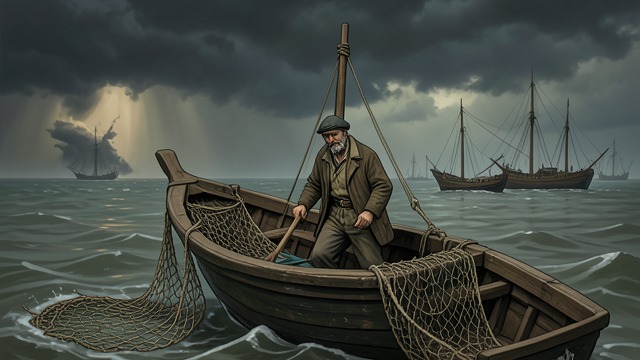
Depleted Waters
Local lives, global choices
Ucañan sees the decline of fish stocks as the result of industrial trawling, El Niño, and political neglect.
The opening frames the ocean as a system damaged by human exploitation.
Pollution Travels North
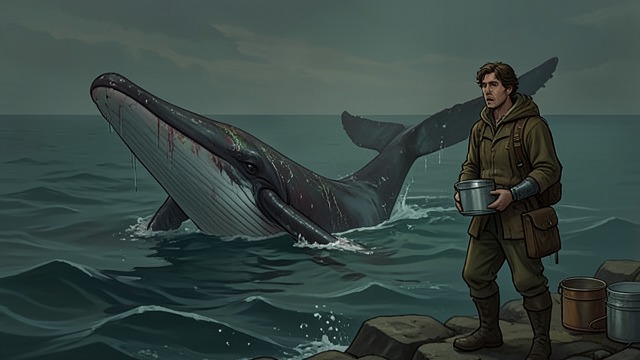
Contamination Crosses Species
The food chain carries harm
Anawak links whale illness to pollutants concentrated in marine mammals and passed to their young.
The damage reaches people as well as wildlife.
Industry Alters the Deep
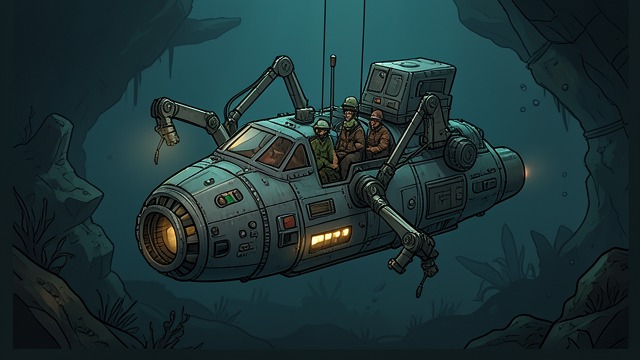
Extraction Changes the Seabed
The risk of unseen connections
Oil development and hydrate extraction place industrial systems inside poorly understood deep-sea ecosystems.
The novel makes uncertainty itself a reason for restraint.
An Inuit Ecological Principle
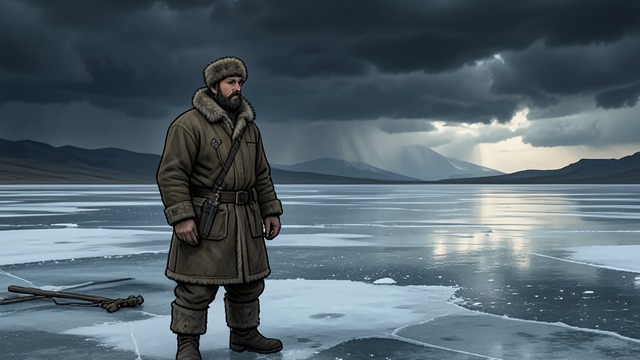
Everything Is Connected
A different account of nature
Akesuk explains that harm to land and water also changes human life, rejecting a simple separation between culture and nature.
His perspective reframes the Yrr crisis as a failure of relationship.
The Web Remains Fragile
Survival Is Not Repair
A continuing obligation
The attacks have stopped, but the world remains damaged and humanity has not yet resolved its ecological crisis.
The novel ends by placing responsibility on people to change their conduct.
January, on the Peruvian coast
March, during the whale investigation
April, as the worms spread
May, during the conversation with Akesuk
one year after the Independence sank
